Eating better without eating boring
Most eating plans fail on flavor, not willpower. Here's how to keep food worth eating — technique first, spice cabinet second, and five meals you don't resent by Thursday.
Kelli and Jordan, Co-Founders, AION Sculpts ·
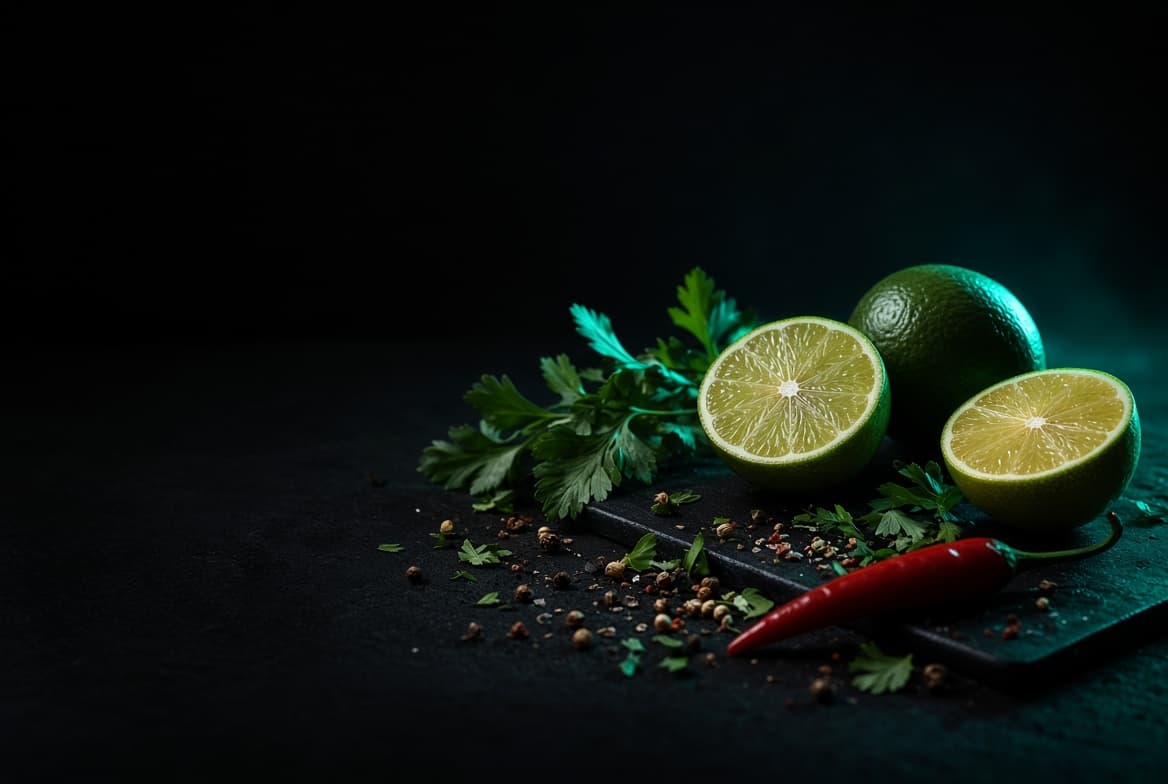
Eating better falls apart on flavor far more often than on resolve. The usual swaps subtract — less salt, less fat, less sauce — and subtraction makes food worse, which makes it hard to keep eating. The version that lasts replaces instead: browning for richness, acid for brightness, herbs and spices for everything the sauce used to do.
Technique beats ingredients
Before changing a single ingredient, change how you cook the ones you have.
- Get the pan hot and the food dry. Pat chicken, fish or tofu with a paper towel first. Water is what stands between food and a browned surface.
- Do not crowd the pan. Two batches that brown beat one batch that steams, every time. This single habit changes more than most ingredient swaps.
- Roast vegetables instead of boiling them. Higher heat, a little oil, edges that go dark. Roasted broccoli and boiled broccoli are barely the same food.
- Finish with acid. A squeeze of lemon or lime, a splash of vinegar. Acid at the end makes a dish taste finished, and it is the most common thing missing from home cooking.
The spice cabinet is the cheapest upgrade in your kitchen
Ten jars cover most of what home cooking asks for: smoked paprika, cumin, garlic powder, chili flakes, oregano, black pepper, cinnamon, curry powder, ginger and decent salt. Together they cost less than a few takeaways and they turn the same three ingredients into a dozen different dinners.
Two rules make them work harder. Bloom ground spices in the oil for thirty seconds before adding anything else — the flavor is fat-soluble and it opens up with heat. And salt as you go rather than at the table; salt added during cooking seasons the food, while salt added at the end mostly sits on top of it.
Swaps that keep the flavor
- Greek yogurt where a recipe wants sour cream or mayonnaise — same tang, thick enough to behave the same way in a sauce or a dressing.
- Roasted potatoes with paprika and garlic instead of chips. The seasoning is doing the work the fryer used to.
- Half the mince, plus lentils or beans in a bolognese or chili. Cook them into the same sauce and the difference at the table is mostly texture.
- Herbs as an ingredient, not a garnish. A whole handful of parsley, coriander or basil stirred in at the end changes a dish. A pinch on top decorates it.
- Something crunchy on top — toasted seeds, nuts, a few crisped breadcrumbs. Texture reads as effort and costs almost none.
Five meals, rotated by seasoning
Most people who eat well are not cooking thirty different dinners. They have roughly five they can make without thinking, and they change the flavor rather than the food. Take a protein, a starch and a vegetable, then send it somewhere different each time: lemon, garlic and oregano one night; soy, ginger and sesame the next; cumin, lime and coriander after that; smoked paprika and a little honey later in the week.
Same shopping list. Same twenty minutes. Four dinners nobody would describe as the same meal.
The rule that matters more than any swap
A meal you like is a meal you will make again. Eating patterns collapse when they demand food you tolerate rather than food you want, and no amount of nutritional accuracy survives contact with a dinner you are dreading on the drive home. Flavor is not the indulgent part of this. It is the part that makes the rest of it repeatable.
It is also the part most plans get wrong in a specific way: they treat preferences as noise. “I am lactose intolerant but aged cheese is fine” is not a footnote, it is the difference between a plan you follow and one you quietly abandon. Sculpt takes that kind of detail as a permanent instruction — said once, applied to everything AION builds afterward, including the meals it puts together from what is already in your kitchen.
Next in this series: how to make water taste better, which has the same problem and a similar answer.
Common questions
- Why does eating better usually feel boring?
- Because the swaps people reach for first remove flavor rather than replace it — less fat, less salt, less sauce, plain versions of everything. Fat and salt carry a great deal of the taste in cooking, so removing them without putting technique or seasoning in their place leaves food that is genuinely less pleasant to eat, which is a hard thing to repeat for months.
- What's the single biggest upgrade to home cooking?
- Browning things properly. A hot pan, a dry surface and enough patience to leave food alone until it colors produces flavor that no seasoning added afterward can replicate. Crowding the pan is the most common reason home cooking tastes flat — the food steams in its own moisture instead of browning.
- How do I stop getting sick of the same meals?
- Keep the components and rotate the flavor. The same chicken, rice and vegetables become a different dinner with lemon and oregano, then with soy and ginger, then with cumin and lime. Changing the seasoning is nearly free in effort and does most of the work that changing the whole meal would.
- Do I need to cook everything from scratch?
- No. Frozen vegetables, tinned beans, pre-cooked grains and a rotisserie chicken are all real ingredients that skip the tedious steps. The cooking that matters for flavor is mostly the last five minutes — the browning, the acid, the seasoning — not the preparation you can buy your way past.